
Winter Tales on the Road: A Guide to Christmas Markets in Poland, the Czech Republic, Germany and Austria
Germany
Germany is rightly considered the leader in the tradition of Christmas markets – hundreds of larger and smaller festive towns are held here, and the tradition of organizing fairs dates back to the Middle Ages. For travelers from Lithuania, it is most convenient to visit the cities of eastern and southern Germany. Each city offers a different experience: in some places ancient romance and traditions prevail, in others – modern entertainment. Below are some of the most famous Christmas towns in Germany, which are especially suitable for families with children and couples.
Nuremberg (Nürnberg)

Nuremberg’s Christkindlesmarkt is probably the most famous Christmas market in Germany, with a history of over 400 years. This fair, held on the historic Market Square, is known for its authentic traditions and unique opening ritual. Every year, the Christmas angel (Christkind) blesses the fair from the balcony, reciting the traditional prologue and announcing the official start signal. In Nuremberg, you will find many stalls with local crafts – wooden toys, nativity figures, handmade Christmas tree toys. Don’t miss the opportunity to try the famous Nuremberg gingerbread Lebkuchen and local sausages. During the fair, Christmas music plays, choirs perform, and the entire square is illuminated by a huge decorated Christmas tree.
Dresden
Dresden Striezelmarkt is Germany’s oldest Christmas market, dating back to 1434. It takes place on Altmarkt Square (Old Town) and is famous for its fabulous atmosphere. In the center of the fair stands a giant Christmas pyramid – a multi-story wooden carousel with rotating figures, a traditional element of German Christmas decoration. A huge illuminated Christmas tree is decorated next to it, and hundreds of wooden stalls are around. At the Dresden fair, you must try the Dresden Stollen – a fragrant yeast-ripened fruit bread sprinkled with powdered sugar. There is even an annual Stollen festival, during which a giant cake is carried through the city and symbolically tasted at the fair. Families with children will also find entertainment in Dresden – a carousel, children’s workshops, and puppet theater performances are often held. Couples will love the romantic setting of the old town and the opportunity to admire the panorama of the Elbe coast while sipping on mulled wine (Glühwein).
Berlin
The German capital Berlin is known for its diversity – there are over 70 different Christmas markets in the city. This means that everyone will find a festive corner that suits them. Those who crave elegance should visit the central Gendarmenmarkt fair, surrounded by historic buildings – the German and French cathedrals. There is an upbeat atmosphere here: selected artisans sell their wares, and there are live choirs and music performances in the open air. The romantic light installation and fragrant delicacies from around the world make this fair special.
Berlin also has plenty of family entertainment. For example, the Winter World is held on Potsdamer Platz – there is an outdoor ice rink and even a snow hill from which you can sled. Children will also enjoy the carousels, Santa Claus’s residence or colorful attractions at other city fairs (e.g. on Alexanderplatz or the Spandau quarter). The advantage of Berlin is that many of the entertainments are open-air and free, and it is enough to buy a cup of hot chocolate or roasted almonds to feel like a part of the festive fairy tale.
Austria
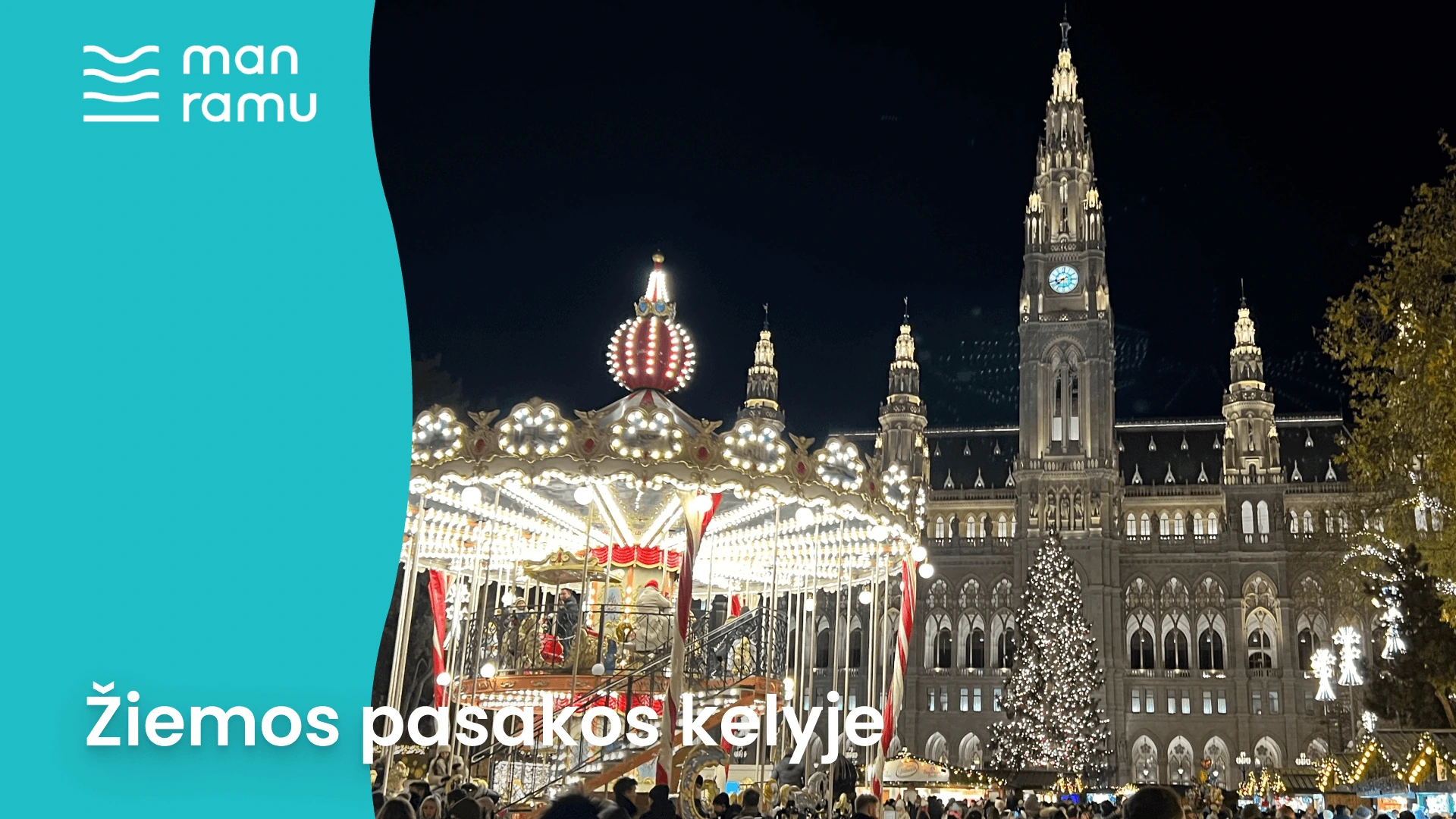
(Wien)
Salzburg
Czech Republic
The Czech Republic has an authentic and cozy atmosphere during the festive season, and its Christmas towns are famous for their beautiful architecture and traditional customs. Although there are dozens of fairs in the country, it is most convenient to visit the capital Prague and stop by smaller towns of fabulous beauty along the way. Czech fairs delight both families and couples looking for romantic experiences.
Prague
The Czech capital Prague boasts one of the most impressive Christmas towns in Europe. The main fairs are held in Old Town Square (Staroměstské náměstí) and Wenceslas Square – they are only a few minutes’ walk away, so it’s convenient to visit both. The Old Town Square fair is considered the most charming: historic Gothic and Baroque buildings form a unique backdrop for dozens of wooden houses offering handmade crafts, Christmas decorations and delicacies. Every year, a magnificent Christmas tree is decorated in the center of the square, and a nativity scene with wooden or even live sheep and a donkey is set up next to it – this is especially popular with children. There is also an observation platform in the Old Town, from where you can admire the Christmas tree and the entire panorama of the fair from above.
Wenceslas Square The fair is as big as the Old Town and creates a different, but also cozy, charm. Here you will also find a lot of decorated stalls, a second large Christmas tree, a stage for concerts, and for children – an outdoor ice rink for ice skating.
Český Krumlov
If you want a fairytale-like small town atmosphere, it’s worth visiting Český Krumlov in the southern Czech Republic. This medieval town looks like something out of a postcard even in normal times, and it becomes even more magical at Christmas. The Advent Fair in Český Krumlov takes place on the central Svornosti Square: taste traditional Czech Christmas gingerbread, hot apple or pear drinks, and local sausages. The town is famous for its special events – in mid-December, a procession of angels marches through the streets of the old town: dozens of children and adults dress up as angels with wings and lanterns, announcing the upcoming holidays. And on Christmas Eve (December 24), a cute tradition for children is held here – “The Bears’ Christmas”: the bears living in the town castle, Marie, Polika and Vilėmas, receive a festive basket of treats. Local children and tourists are invited to bring fruit or vegetable baskets and place them under the Christmas tree near the bear enclosure – under the supervision of the castle caretaker, the bears are pampered with treats. This fun activity brings a lot of joy to the little ones.
Poland
The annual Christmas market held in Krakow’s main Market Square is one of the most beautiful in Poland, with a huge Christmas tree and a historic atmosphere. Polish Christmas towns have been gaining more and more attention in recent years – they are famous for their affordable prices and warm traditional atmosphere. There is no shortage of cozy holiday markets in the neighboring country, and when traveling by car from Lithuania, Poland will be the first stop on the way to other European countries. The southern cities of Krakow and Wroclaw are especially worth visiting, as well as the country’s capital Warsaw, if it is on the way. These fairs are suitable for families – due to the relatively low prices, you can afford more entertainment, and children will find plenty of treats – and for couples looking for romantic experiences.
Krakow (Kraków)
The Krakow Christmas Market takes place in the heart of the city – in the historic Market Square (Rynek Główny), which is itself a UNESCO World Heritage Site. Around the large square are wooden houses offering Polish handicrafts: from wooden toys, fur hats to handmade Christmas decorations. The Krakow area is famous for its glass and wood crafts, so this is a great opportunity to buy authentic souvenirs. The festive mood is enhanced by the sound of Christmas music, sometimes performances by folk ensembles, and Polish Christmas carols (kolędy) are performed.
For food lovers, Krakow is a true paradise. Here you can try traditional pierogi (boiled and fried dumplings with various fillings), bigos (a hearty stew of cabbage and meat) or kabana sausages. Sweet lovers will find gingerbread, donuts and a hot honey drink. An impressive Christmas tree is decorated in the center of the market square every year, next to which colorful installations light up in the evening – a great place for couples to take pictures. Children in Krakow also enjoy horse-drawn carriages – white horse-drawn carriages ride around the Old Town all year round, and during the holidays they are decorated with bells and ribbons, so you can organize a short romantic or fun family trip through the illuminated Old Town.
Wroclaw
The Wrocław Christmas Market is distinguished by its longest duration and particularly family-friendly environment. It starts in the second half of November and continues until the first week of January – often until Epiphany (around January 6–7). The action takes place in the Market Square (Rynek) of the Old Town of Wrocław and the adjacent Plac Solny Square – one of the largest squares in Europe, which becomes a single, sparkling town during the festive period. The Wrocław Fair is constantly included in the lists of the most beautiful Christmas markets in Poland due to its unique fairy-tale forest motif. There is a “Fairy-tale Forest” zone for children here – mechanical decorations of fairy-tale heroes are placed between the Christmas trees, which move and tell stories. Little ones can watch Little Red Riding Hood, Snow White and other characters in special houses – it’s like a living page of a fairy tale book.
Of course, there is no shortage of delicacies at the Wrocław Fair: grzane wino (mulled wine) is served here in special collectible mugs-boots – such a ceramic mug can be kept as a souvenir. Bites of oscypek (Tatra smoked cheese) are offered, roasted on the grill and served with cranberry jam – this taste surprises many a sweet tooth. You will also find a variety of pierogi, sausages, gingerbread, marzipan sweets. The fair features a multi-story wonder house with an observation terrace (located in Plac Solny Square) – after climbing up, you will be able to view the festive bustle from above.
Tips for winter car travel
A car trip to the Christmas towns can be a unique adventure, but the winter conditions and large number of attractions require good planning. Below are some tips to consider when planning your route, accommodation, driving in winter, and visiting the fairs to make your trip safe, comfortable, and memorable:
- Route planning: Plan your trip in advance to optimally visit the countries and cities you want. Estimate the distances – try not to drive too far per day so that you have time to enjoy the fairs in peace. For example, when traveling from Lithuania, you can first stop in Poland (Warsaw or Krakow), then go to Germany (e.g. Dresden), continue to the Czech Republic (Prague), visit Austria (Vienna, Salzburg), and return via Poland again. Of course, adjust the route according to your wishes – if you are more interested in a certain country, allocate more time to it. Check the road tolls: in Poland, some highways are paid for at separate points, in the Czech Republic, Slovakia and Austria you need to purchase vignettes (electronic road tolls) for using highways. They are convenient to buy directly online or at gas stations near the border. Don’t forget that in winter, roads in mountain regions (e.g. in Austria or near the Slovak Tatras) may be covered in snow – monitor weather forecasts and plan alternative routes in case you have to bypass passes due to snow.
- Accommodation: During the peak Christmas market period (early December to New Year’s), hotels may be more popular, so book your accommodation in advance. Families with children may prefer apartments with kitchenettes – you can cook your own breakfast or dinner, save money and have more space. Couples will enjoy romantic stays in old towns, near the main squares – then you can walk to the market and enjoy the city in the evening without driving. However, city centers are often more expensive; if your budget is limited, choose hotels or guesthouses further from the center – for example, in the suburbs or on the road between cities. You can easily get there by car, and the price will be lower. Make sure that the hotel has parking (and find out if it is paid). In some big cities (e.g. Prague, Vienna), it may be worth leaving your car in a parking lot and continuing to move around by public transport or on foot to avoid congestion and expensive parking in the center.
- Driving in winter: Make sure that your car is properly prepared for winter. Winter tires are essential (in Lithuania and neighboring countries, their use is mandatory in winter). Check the resistance of the coolant and window washer fluid to frost, take an ice scraper, a brush for removing snow. On a longer trip, it is also a good idea to have a booster or cables and a small shovel – for unforeseen circumstances. When driving in mountainous areas (e.g. in the Austrian Alps or the approaches to the Slovak Tatras), it is advisable to have snow chains – in some high mountains they are even mandatory if there is a lot of snow. Plan your trips so that you get to another city during the day during daylight hours, if possible – winter days are short, and driving at night on unfamiliar roads can be difficult. Follow traffic information in your navigation: in winter, roads are closed due to blizzards or accidents. Always keep your car’s fuel tank at least half full – so you don’t run out of fuel if you have to wait in traffic or on a detour. Drive carefully, keep to a safe speed – there’s no point in rushing during the holidays, it’s more important to arrive safely everywhere.
- Behaviour in towns: The most popular fairs attract crowds of people, especially on weekends and in the evenings. Keep your belongings safe – as in any place with a lot of tourists, pickpockets can happen, so keep your wallets and phones in the inside pockets, use bags with a zipper. Agree with your children on a meeting place or what to do if they get lost in the crowd (e.g. go to the main Christmas tree or the stage, where they are easy to find). It may be more convenient to transport smaller children in a stroller – they will get less tired, but it may be more difficult to maneuver the stroller in the crowd, pay attention to the pavement (many places – old town pavements, stones). Be polite and patient – the Christmas spirit fills people with goodwill, so a smile and greeting in the local language (Polish Dzień dobry, German Guten Tag, Czech Dobrý den, Slovak Dobrý deň) will help to win the sympathy of the locals. Also, be respectful of events held in places of worship – some fairs near churches or cathedrals stop the music during services.
- Food: One of the greatest joys of Christmas markets is the local food. Take the opportunity to try the traditional dishes in each country: in Germany, it’s sausages with cabbage, pretzels, mulled wine from decorated mugs (many collect them as souvenirs), as well as sweet pancakes and strudel. In Austria, in addition to strudel, there’s also hot fruit punch, roasted chestnuts, and a slice of Sachertorte in a café. In the Czech Republic and Slovakia, there’s trdelník buns, grilled cheeses, honey mead, roasted almonds with spices. In Poland, there’s pierogi dumplings, biga stew, smoked oscypek cheese with cranberries, and of course, their mulled wine, called grzaniec. No matter how delicious everything looks, don’t forget about moderation – at fairs, portions are often large and high in calories. If you are traveling with children, have a bottle of water or their favorite snacks with you – lots of sweets can quickly make you thirsty or want to snack on something more neutral. Also, be aware that food stalls at the most popular fairs can get quite crowded in the evenings; if you want to try something special without the crowds, try to do so during the day when the crowds are smaller. Restaurants are also busier during the holiday season – you can plan your lunch at an off-peak time (e.g. around 3pm, when many people have already had lunch and the dinner crowd has not yet arrived). And be sure to enjoy your desserts al fresco, with a cup of hot chocolate in hand, while looking out over the bustling town – it’s one of those simple pleasures that makes traveling worth it.
- Shopping planning: At Christmas markets, your eyes are dazzled by the beautiful items on display – wooden toys, handmade candles, woolen socks, ceramic mugs, Christmas tree decorations… It’s easy to get caught up in a shopping frenzy, so it’s a good idea to set a budget for souvenirs. For example, decide that you will buy one small souvenir or gift for your loved ones in each city. You can also collect items of one type – many travelers collect Christmas market mugs (with the name of the city and the date of the year) or Christmas tree decorations from different countries. This will give your shopping a purpose and help you avoid buying too much. Paying at fairs – please note that not everywhere you can pay by card, especially in small towns or with small artisans. Have some cash in each country’s currency: in Poland – zlotys, in the Czech Republic – korunas, in Slovakia and Austria – euros. The exchange rates in tourist areas are not necessarily the most favorable, so exchange at least a small amount in advance or withdraw cash from ATMs. Bargaining is not common at most fairs in these countries – prices are usually fixed, unless some sellers apply a discount when buying more units. If you travel by car, you have an advantage – you don’t have to worry about the weight of your luggage, so you can buy more fragile or heavier items (e.g. a bottle of local wine, a ceramic candle holder, etc.), which would be inconvenient if you were traveling by plane. However, save some space in your car – shopping increases when you see so many goodies!
- Comfort and health: The most important thing in a winter trip is warmth and comfort. Equip yourself and your children with warm clothes: woolen socks, hats, gloves, a scarf – a must. It is best to dress in layers so that you can take off one layer when moving or entering the room. Don’t forget good, non-slip shoes that are resistant to moisture – at fairs you will have to walk and stand in one place a lot, your feet should not freeze. Many fairs have bonfire or heater areas where you can warm up (this is especially popular in Germany – they build barrel-shaped stoves). Always have cash with you for small expenses: for the toilet (often public toilets or biotoilets at fairs cost ~ €0.50), for a deposit for a cup (if you don’t want to keep a souvenir cup, you will get the deposit back when you return it), for a small item from street vendors. Speaking of toilets – visit in advance if you are planning a longer walk away from the cafes. In larger cities, mobile WC cabins are set up near the fairs or even supermarket toilets are opened nearby. If you are traveling with small children, have wet wipes, spare diapers – changing outside in cold weather is more difficult, but heated tents or childcare rooms may be set up nearby (especially at larger fairs in Germany or Austria). Finally – enjoy the moment. Take photos, taste something unexpected, listen to street musicians, talk to a market vendor about his goods – Christmas towns are meant to slow down and enjoy the festive mood with loved ones.
Warm impressions and safe travels!
„Man ramu“ draudimo platformoje galite įsigyti kelionių draudimą, apimantį medicinines išlaidas, nelaimingus atsitikimus, asmens civilinę atsakomybę ir bagažo draudimą.
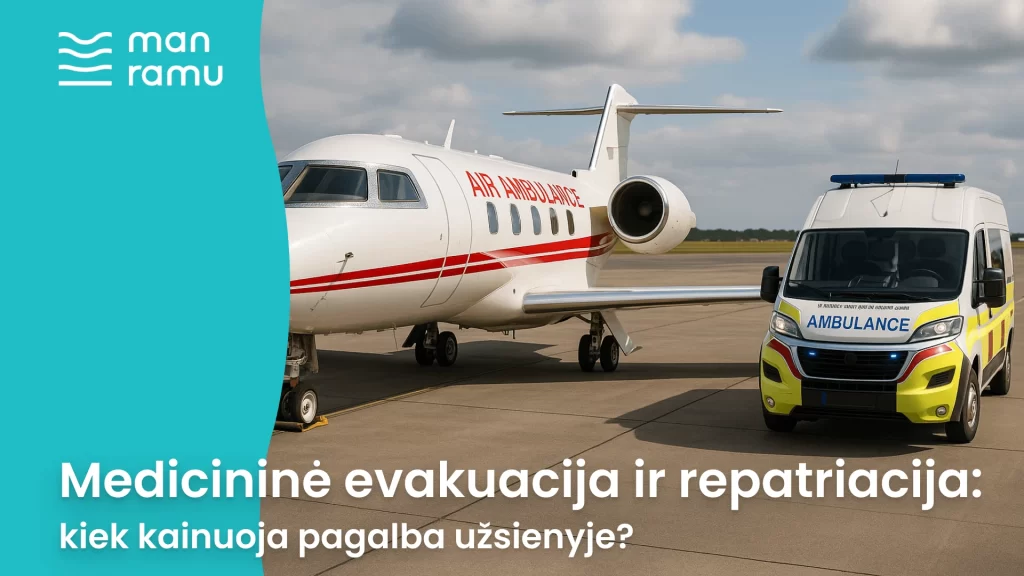
When travel becomes a challenge: medical evacuation and repatriation
Find out how medical evacuation and repatriation work, how much it costs, what are the most common cases, and why travel insurance is necessary.
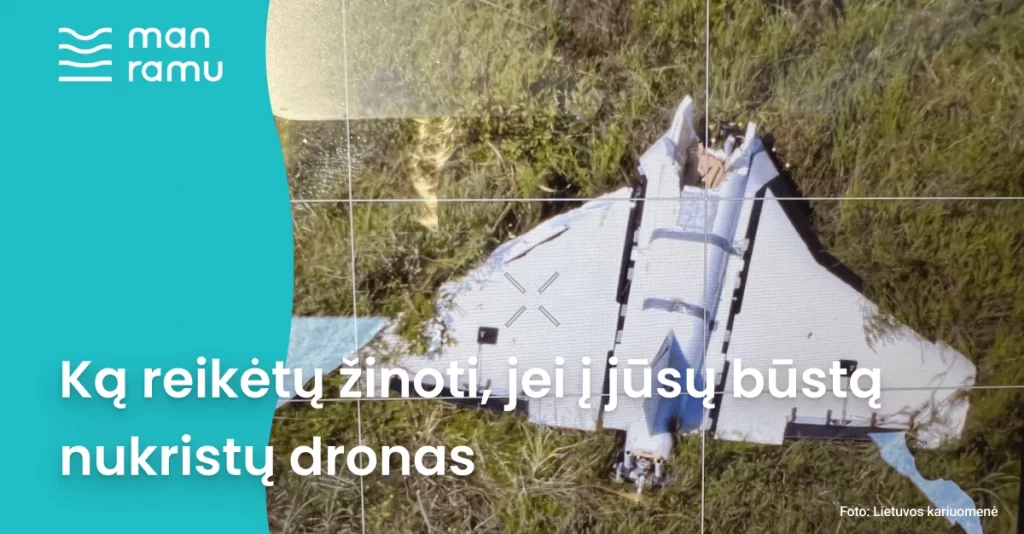
What you need to know if a drone crashes into your home
The press coverage of a drone of unknown origin and purpose (possibly Gerbera) that flew over Vilnius and landed at the Gaižiūnai training ground, which

Washing your car in winter: myths, facts and tips
Regular car washing in winter helps prevent corrosion, improves visibility and ensures road safety. Learn how to do it right and where the dangerous myths
When setting the price, insurance companies usually assess: how many years have passed since the driver’s license was issued; whether the driver has previously concluded
Children to school – drivers to traffic jams. How to stay calm?
September brings traffic jams to cities. Advice from insurers and psychologists on how to plan your route, manage stress, and stay safe near schools in

What is important when traveling on vacation to a warm sea?
One of the most important things is travel insurance. Not because something will definitely happen, but because if it does, you want to be prepared.