
Children to school - drivers to traffic jams. How to stay calm?
In Lithuania, the beginning of September resembles a small mass migration: hundreds of thousands of children return to school, students flood the big cities, and drivers who lost their rhythm during the holidays get back behind the wheel. This upheaval radically changes traffic conditions.
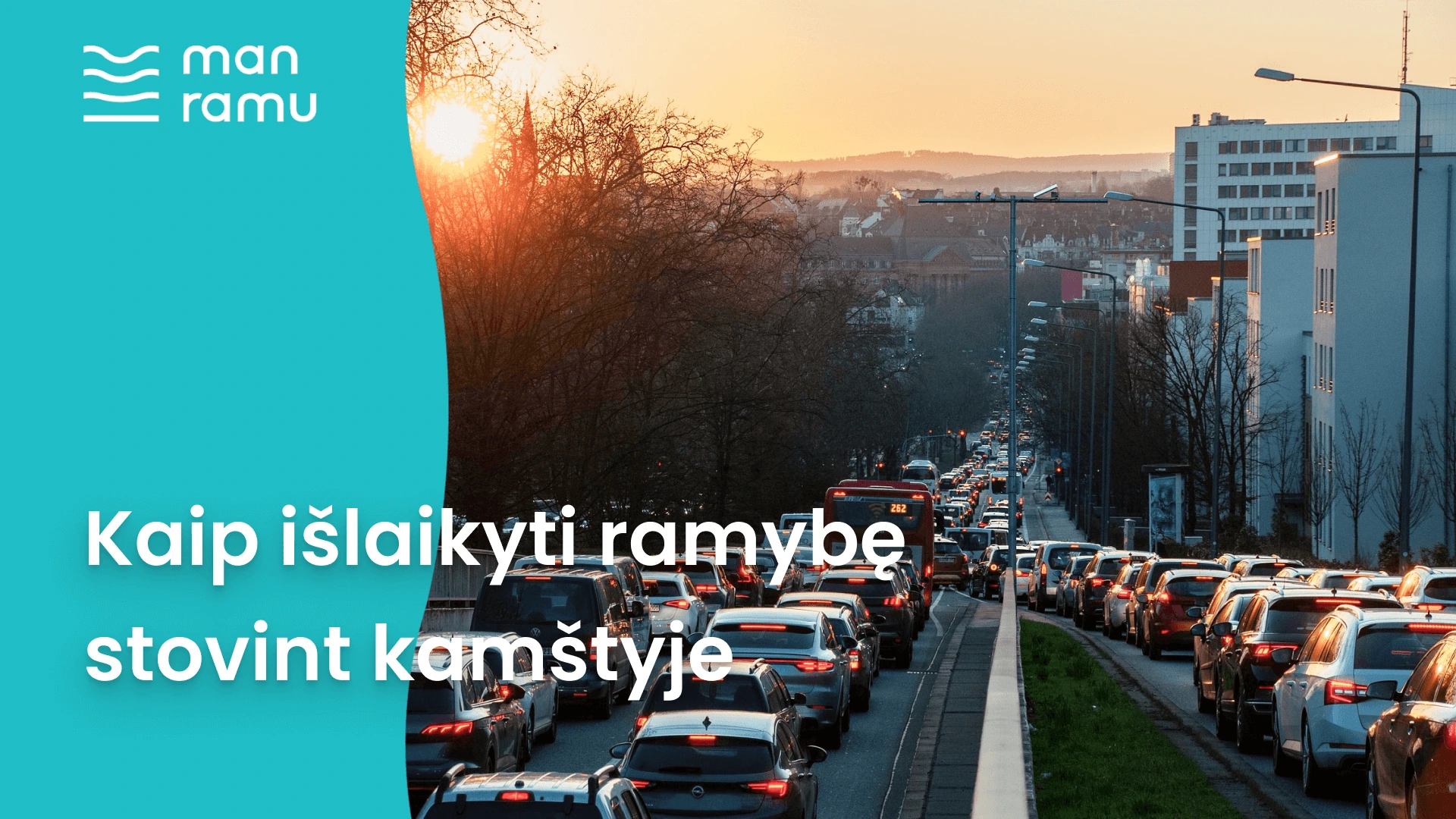
In the first days of September, car traffic in Vilnius increases by 30–60 percent, and insurers record about a fifth more accidents. Traffic jams are inevitable, but they can also be overcome – if we prepare and consciously manage our habits.

Traffic dynamics: peak before the school year
According to the data of “Lietuvos draudimas”, the most dangerous moment is the last week of August, when everyone is simultaneously trying to “catch up” with the last summer tasks. In 2024, almost 850 traffic accidents were registered at that time, and the amount of damage exceeded 900 thousand euros. The later weeks of September are calmer: both the number of accidents and the amount of damage are steadily decreasing. This is logical – routine is established, routes become predictable, and hasty mistakes are reduced. Part of the peak is also created by the movement of students and their relatives to academic cities at the end of August.
Why are there more collisions?
Psychology behind the wheel: emotions and attention
Laura Šeibokaitė, a VMU researcher who studies traffic psychology, reminds us that emotions are responsible for one of the most common causes of accidents – using a phone while driving. When you are absorbed in the screen, you lose track of time, and returning from the phone to full-fledged driving can take up to four seconds – a long time in traffic. In addition, anger and tension at the wheel are directly related to mistakes. If you feel that a conflict on the road is “boiling”, the safest strategy is to stop in a safe place, calm down and only then continue your journey. Provocations and deliberate maneuvers are not only dangerous – in most cases they are considered non-prohibited events.
A leisurely morning: planning and itinerary
School safety: small rules, big benefits
Only drop off your children from the sidewalk, do not stand on a crosswalk or right next to an intersection – this will not block the visibility of other road users. If there are lines of cars in front of the school, it is often wiser to stop a little further away and walk the last hundred meters. It will take about the same amount of time, but it will be safer and calmer.
New urban drivers: intelligence helps
A ritual of peace in the car
On a September morning, a “calm ritual” in the car is useful: switch notifications on your phone to silent mode, do a short breathing exercise at a red light, turn on the beginning of a calming playlist. If you are transporting children, make sure they have activities to do – less noise means less additional stress. Children learn from our actions, so let the trip become a good lesson in traffic culture. And a very specific rule: if you feel that you are so angry that you want to “teach” another driver, then this is not a signal to discipline, but to stop for a moment. Such a pause often saves you from poor decisions, and at the same time – from damage.
If the event still happened
Keep it simple: take care of people and safety, take photos of the circumstances, fill out a declaration and notify your insurer. On the “I’m calm” insurance platform, you will find clear steps to take, and if you don’t have adequate protection yet, we will help you quickly compare the MTPL offers of several insurers so that you can be calmer on the road not only in September, but all year round.